US–Iran tensions ease as diplomacy continues, war still avoidable
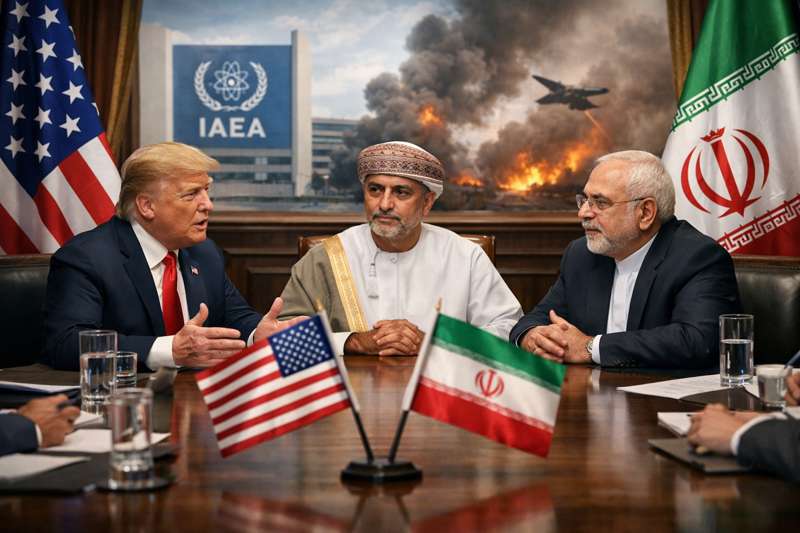
Fears of a military conflict between the United States and Iran have eased slightly after both sides agreed to continue negotiations following their latest round of talks in Geneva. While tensions remain high, the decision to keep talking suggests diplomacy is still viewed as the least risky path forward.
Experts had warned that if the most recent negotiations — mediated by Oman — failed, the likelihood of war would rise sharply. Instead, Oman’s Foreign Minister, Badr al-Busaidi, said “significant progress” had been made.
Further technical discussions are now scheduled to take place next week at the International Atomic Energy Agency in Vienna, focusing on practical nuclear and compliance issues.
War risks outweigh potential gains
Despite repeated warnings, both United States and Iran appear reluctant to escalate into open conflict.
For Iran’s leadership, war could threaten the survival of the regime itself. For the US, military action risks drawing the country into another prolonged overseas conflict — something former President Donald Trump has repeatedly criticised in the past.
Even a decisive military victory would likely come at an economic cost. Higher global oil prices would almost certainly follow, contributing to inflation and increasing living costs. That is a politically sensitive issue in the US, much like cost-of-living pressures have dominated public debate in New Zealand in recent years.
Energy prices are particularly important because disruptions in the Middle East often flow through to petrol prices worldwide, affecting households and businesses alike.
Military pressure part of negotiation strategy
Some analysts believe the US troop build-up in the region has boxed Washington into a corner. However, that may not be how Trump views it.
His foreign policy has long emphasised “peace through strength”, using military pressure to gain leverage in negotiations. Even limited concessions from Iran could be presented domestically as a major diplomatic success, allowing the US to withdraw forces while claiming victory.
Oman’s role has been critical in creating a discreet channel for talks. This has helped shield the negotiations from political opponents on both sides.
Hardliners in both countries remain sceptical. Some favour a tougher approach and may still hope negotiations collapse. For now, however, they have been unable to derail the diplomatic process.
Economic incentives could shape outcome
Beyond security concerns, economic opportunities may also be influencing calculations.
According to reporting by the Financial Times, Iran has signalled that a deal could open significant commercial opportunities for American businesses.
Iran has a population of nearly 90 million people, many of them well-educated, and vast natural resources. These include major reserves of oil and gas, as well as minerals such as iron ore and copper.
For US companies, access to such a market could represent a major economic prize, particularly after years of sanctions.
Economic incentives have historically played a role in diplomatic breakthroughs, and could again provide motivation for compromise.
Diplomacy remains the rational choice — for now
As long as both sides believe they stand to gain more through negotiation than conflict, diplomacy is likely to continue.
The coming meetings in Vienna will be closely watched for signs of concrete progress.
Whether the current talks lead to a lasting agreement — or simply delay confrontation — remains uncertain. But for now, continued dialogue means a potentially devastating war is not inevitable.
For the international community, including smaller trading nations such as New Zealand that depend on stable global markets, that alone is a significant relief.

Hermann Hesse schreibt für die Neue Schweizer Zeitung über Politik, Wirtschaft, Technologie, Sport, Unterhaltung und Lifestyle. Er legt Wert auf klare Berichterstattung, aktuelle Themen und relevante Geschichten, die Leserinnen und Leser zuverlässig und verständlich informieren.